
FEATHER CRAFT BLOGS
From the vise to the water, the Feather Craft Blogs explore the gear, techniques, places, people, and traditions that shape fly fishing. Built on more than 70 years in the sport, these are stories and insights for anglers who believe some things are worth knowing, and worth keeping.
ANGLERS
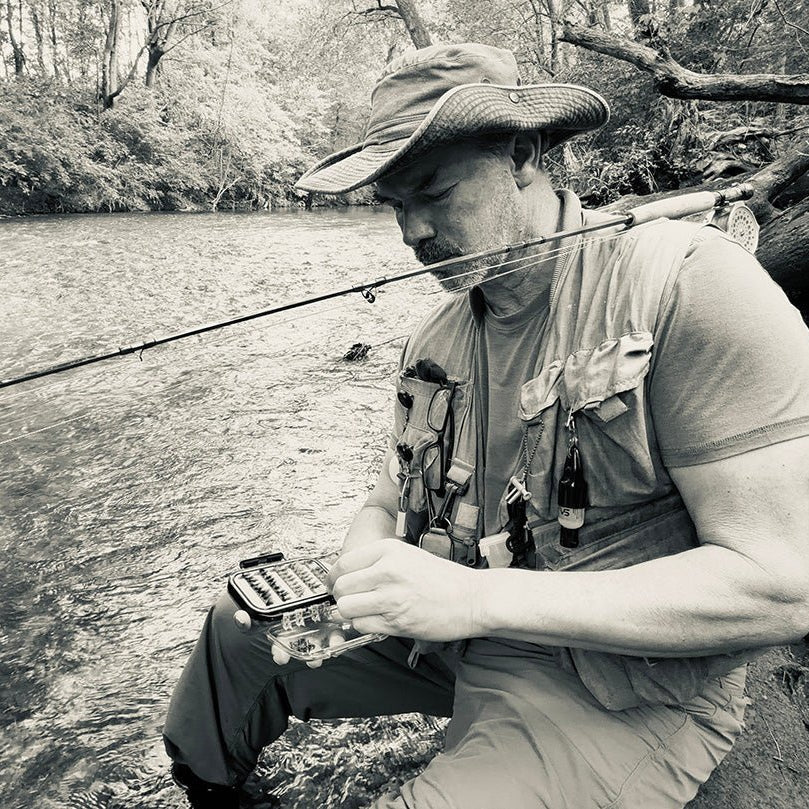
The Bamboo Obsession: Clint Bova
A cast with a Ted Simroe rod in 1995 started a lifelong obsession. Clint Bova reflects on thirty-one years of bamboo rodmaking, the discipline of design, the value of experimentation, and the people who keep the craft moving forward.

The Passing of the Torch: Inside the Sale of R.L. Winston
The recent sale of R.L. Winston Rod Company marks a significant moment in fly fishing history. With energy executive and longtime angler Lance Robertson taking ownership, the legendary Montana rod maker enters a new chapter focused on preserving its heritage, craftsmanship, and independent spirit.

How to Read Water Like a Guide for Fly Fishing Success
FIRST IMPRESSIONS

First Impressions: Winston Pure 2
The Winston Pure and Winston Pure 2 represent two generations of dry fly rod design rooted in feel, presentation, and restraint. While the original Pure became beloved for its deeply loading action and soulful casting character, the Pure 2 refines that experience with improved recovery speed, greater consistency across the lineup, and enhanced accuracy without sacrificing the unmistakable Winston feel. For anglers who value delicate presentations and the rhythm of casting as much as the fish itself, both rods offer exceptional experiences, just with slightly different personalities.

First Impressions: Orvis Ratio Fly Reel
The new Orvis Ratio isn’t just another saltwater reel chasing higher drag numbers. It’s built around something far more important: control. After putting it to work in Belize on bonefish, permit, and juvenile tarpon, one thing stood out immediately. No reel we’ve tested delivers more stopping power per incremental turn of the drag knob. That precision changes how you fight fish, and ultimately, how many you land.

First Impressions: Sage Arrow Fly Rod
THE BENCH
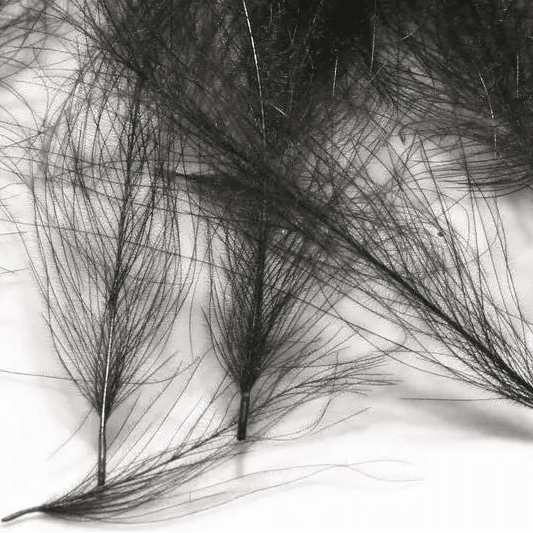
CDC Feathers: A fly tyer's guide to cul-de-canard
CDC, or cul-de-canard, is one of the most versatile natural fly tying materials for dry flies, emergers, and nymphs. Its finely branched fibers provide surface support and subtle movement, but feather selection and tying technique determine how well it performs. We break down CDC anatomy, practical tying methods, hook selection, and proper floatant use to help you build flies that hold the right posture and maintain their working profile.

The Best Fly Tying Vises for Beginners
Almost nobody's first vise is their last vise. But the first one still matters, because a vise that drops hooks teaches you the wrong lessons. Here are the five we recommend most, and how to match one to the flies you actually fish.
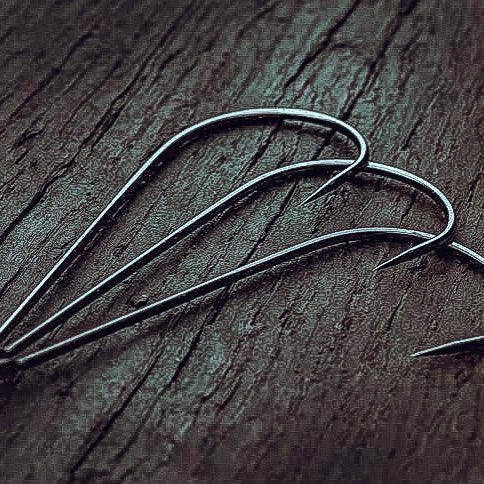
Chemically Sharpened Fly Hooks, Explained
Chemical sharpening refines a fly hook point, but sharpness is only one part of hook performance. Learn how point geometry, wire, temper and barb work together.
THE GUIDE

Fly Line Tapers, Explained
Head length, grain weight, and mass distribution shape how a fly line casts and fishes. We break down the major taper designs, explain their strengths and limitations, and show where the right profile improves turnover, presentation, and line control.

Fly Fishing Near St. Louis: Best Places | Feather Craft
From wild-trout creeks to smallmouth rivers, explore our favorite fly-fishing destinations near St. Louis, with access tips and practical gear recommendations.

Above the Film - The Ultimate Guide to Fly Floatant
A dry fly does not float because it is light. It floats because surface tension holds it on the skin of the water, and everything in a bottle of floatant exists to keep it there. Silicone, cul de canard, and silica each defend that float by a different mechanism. Understand the mechanism and you stop guessing. Ignore it and you spend the hatch false casting a sinking fly.