
The Bench
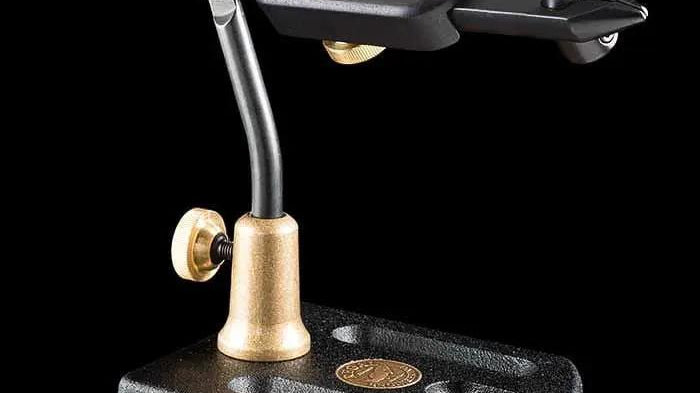
The Best Fly Tying Vises for Beginners
Almost nobody's first vise is their last vise. But the first one still matters, because a vise that drops hooks teaches you the wrong lessons. Here are the five we recommend most, and how to match one to the flies you actually fish.

Chemically Sharpened Hooks, Explained
The hook is the one piece of tackle we choose almost without thinking, and it is the one everything depends on when a fish finally eats. A look at chemical sharpening: what it actually does, where it helps, and why sharp out of the box is not sharp forever.

The Renzetti Traveler
Some tools solve a temporary problem. Others become permanent fixtures. The Renzetti Traveler belongs firmly in the second group, and the reasons are mechanical, not sentimental. We take a close look at what true rotary operation actually means, how the cam jaw system holds everything from #28 midges to 4/0 streamers, and why a vise this simple has outlasted decades of newer designs.
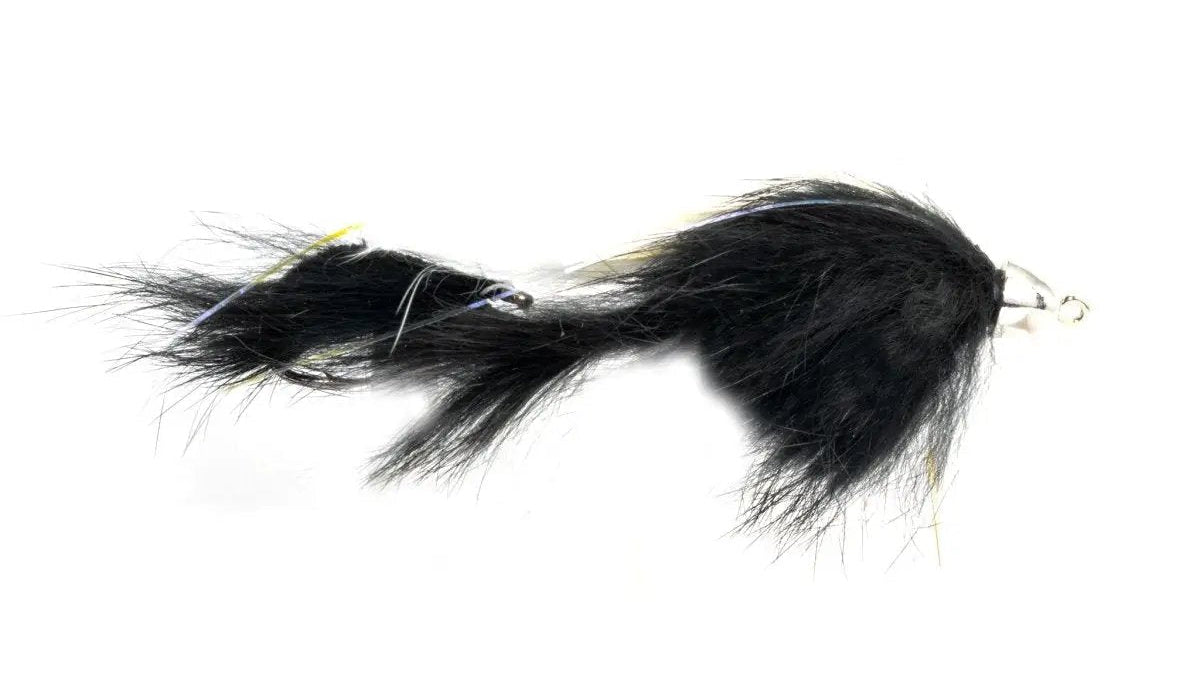
The Dali Lama
Most anglers reach for a Dolly Llama because it catches fish. Fewer stop to ask why. The answer sits in the engineering: weight set forward, a rabbit tail that breathes on the dead pause, and a hook placed where the strikes actually land. We break down the full machine, from center of mass and sink rate to articulation, color, durability, and the line-and-leader system it takes to deliver a heavy fly with authority.
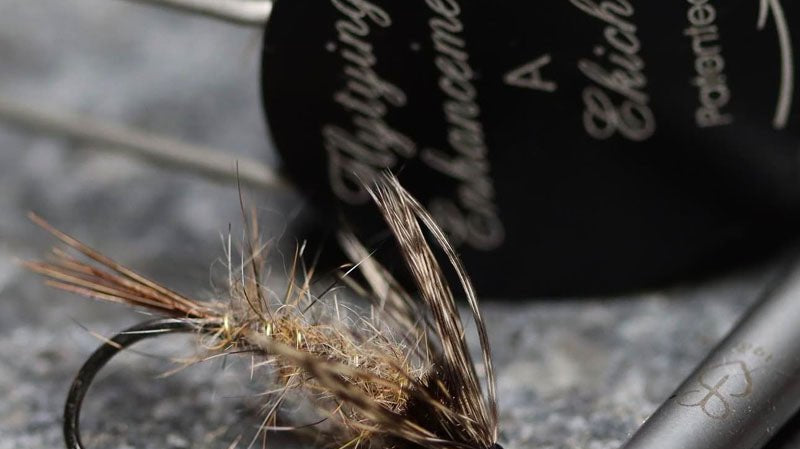
The Point of It All
Every fly you tie is a delivery system for one small piece of bent wire. Fish it a thousand times and the shape of that wire, its gape, its point, its barb, decides more of your season than any dubbing blend ever will.
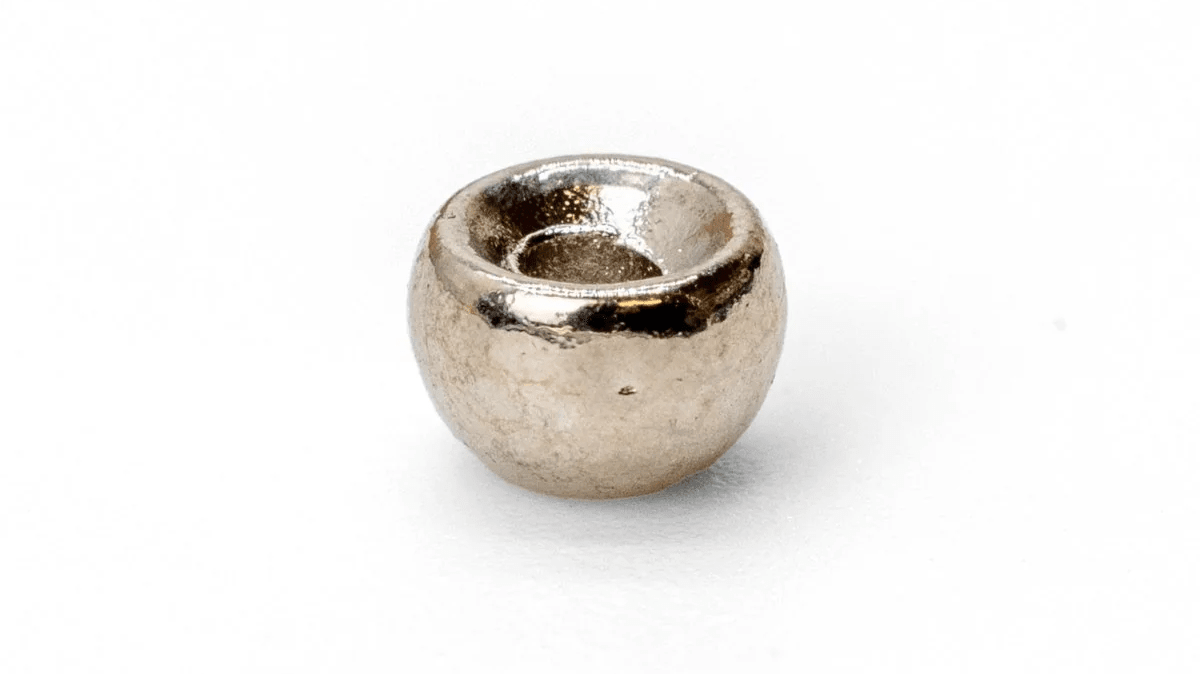
The Rising Price of Tungsten And What It Means for Anglers
Tungsten beads have quietly become one of the most important tools in modern fly fishing, allowing anglers to reach depth faster and fish more effectively than ever before. But lately, something has changed. Prices are climbing, availability is tightening, and what was once a standard material is becoming a premium one. The reason has little to do with fishing itself. From global supply constraints to rising demand in aerospace, defense, and high-tech manufacturing, tungsten has become one of the most strategically important metals in the world. And the ripple effect is now being felt all the way down to the flies in your box.
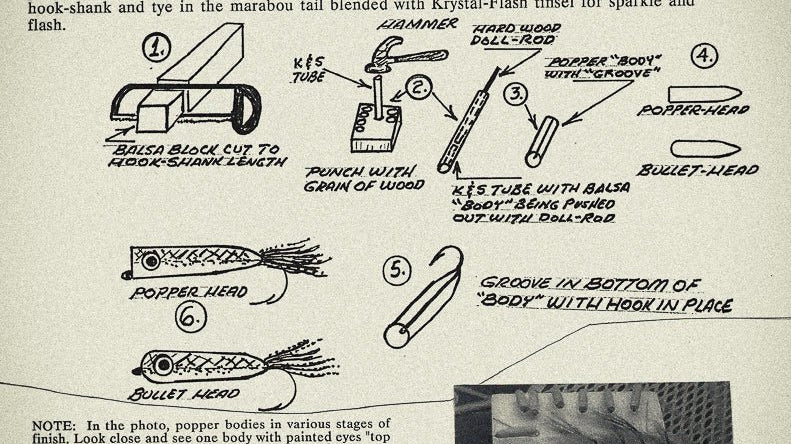
Baitfish Poppers - Pattern Sheet 788
Pattern 788, is Ed’s “Baitfish” surface popper, a design he relied on in saltwater. Originally built from hand-shaped balsa, cut, slotted, and finished by hand, it reflects a time when necessity drove innovation.
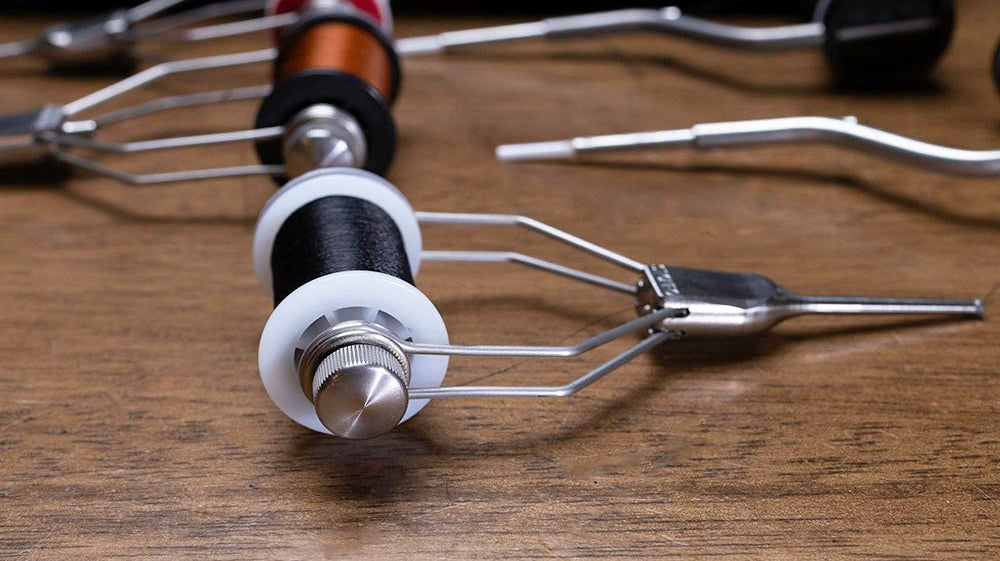
Fly Tying Tools: Essential Fly Tying Equipment for Every Bench
Learn the best fly tying tools for your bench, including scissors, bobbins, threaders, hair stackers, combs, and UV lights. Perfect for beginner and experienced tyers.
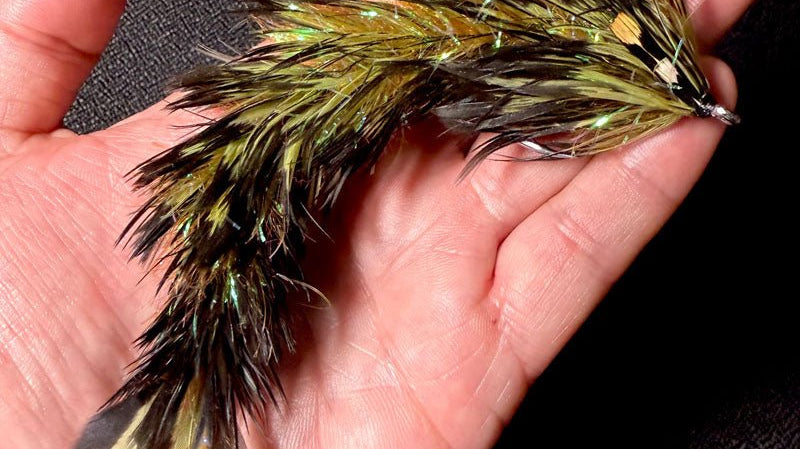
Premium vs. Budget Fly Tying Materials: Is the Upgrade Worth It?
Are premium fly tying materials actually worth the upgrade or will budget options perform just as well?
From dry fly hackle and bucktail to marabou and modern synthetics, material quality directly impacts movement, durability, floatation, and consistency at the vise. In this guide, we break down the real cost vs. performance differences so you can choose the best fly tying materials for your patterns with confidence.
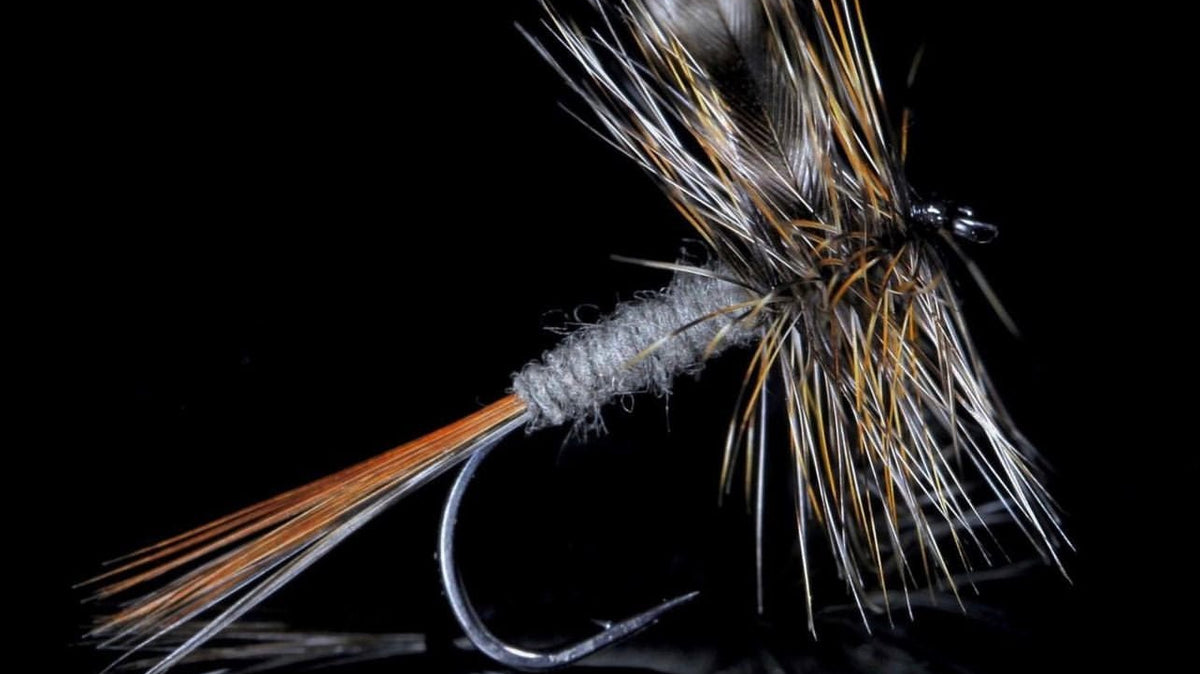
Fly Tying Essentials: 5 Fly Tying Materials That Should Be On Every Bench
Five materials form the backbone of a well-stocked fly tying bench. From pheasant tail and hackle to peacock herl, elk hair, and pine squirrel, these proven staples can be used to tie hundreds of effective patterns for a wide range of trout water.
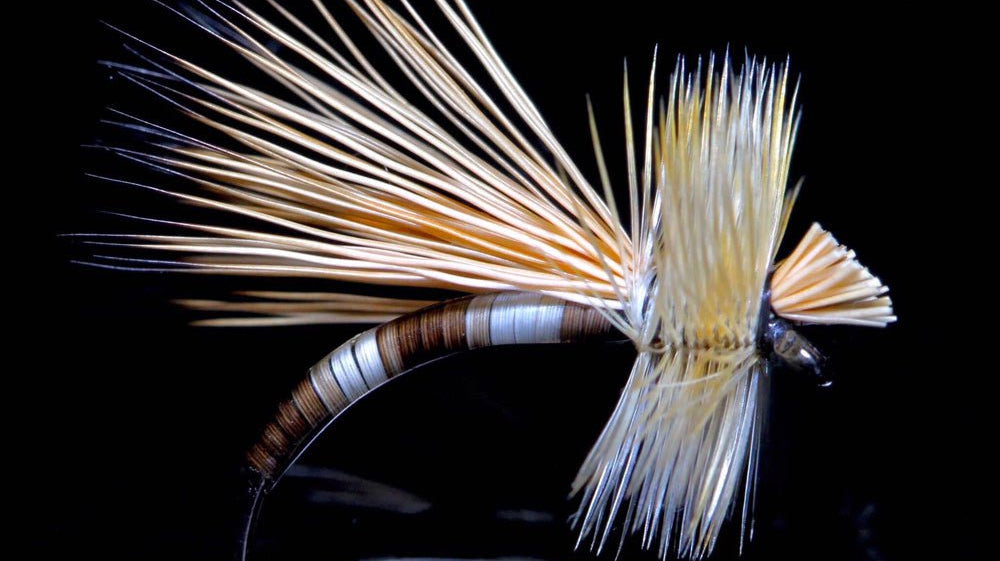
Natural vs. Synthetic Fly Tying Materials
Natural vs. synthetic fly tying materials isn’t a debate about tradition — it’s a question of function.
Feathers evolved to trap air and move with current. Polymers are engineered for durability, flash, and repeatability. One offers organic micro-motion. The other delivers structural control and longevity.
Movement, buoyancy, sink rate, realism, durability — every material choice changes how a fly behaves in the water.
In this guide, we break down what actually matters at the vise so you can choose materials with intention — not nostalgia.
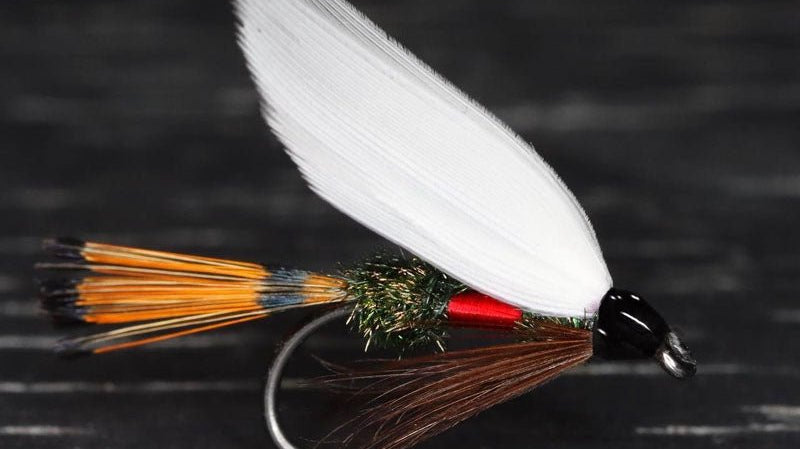
Fly Tying Materials: A Beginners Guide
Fly tying materials are not decoration, they are function made visible. Every feather, fiber, and filament exists to control how a fly moves, floats, sinks, and breathes in water. Long before a fish decides to eat, it reads silhouette, motion, and vulnerability, all dictated by material choice. From hooks forged as structural foundations to feathers that pulse with life and synthetics engineered for precision, fly tying materials form the language of imitation. Master the materials, and patterns become flexible tools rather than rigid recipes. At the vise, understanding always outperforms imitation.