
fly tying materials
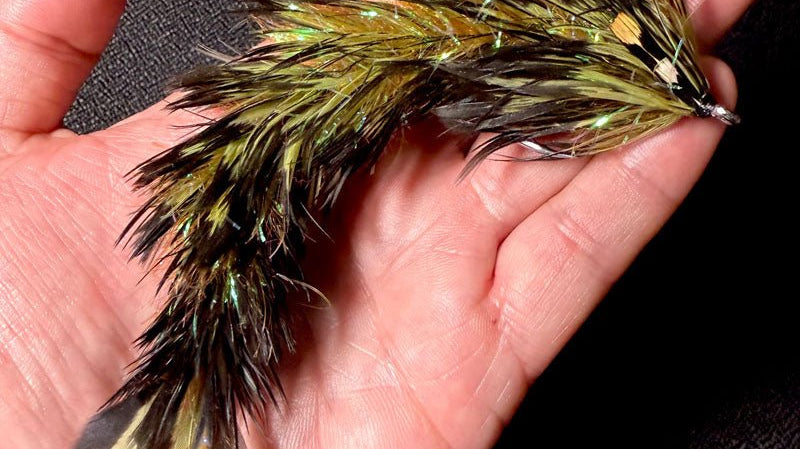
Premium vs. Budget Fly Tying Materials: Is the Upgrade Worth It?
Are premium fly tying materials actually worth the upgrade or will budget options perform just as well?
From dry fly hackle and bucktail to marabou and modern synthetics, material quality directly impacts movement, durability, floatation, and consistency at the vise. In this guide, we break down the real cost vs. performance differences so you can choose the best fly tying materials for your patterns with confidence.
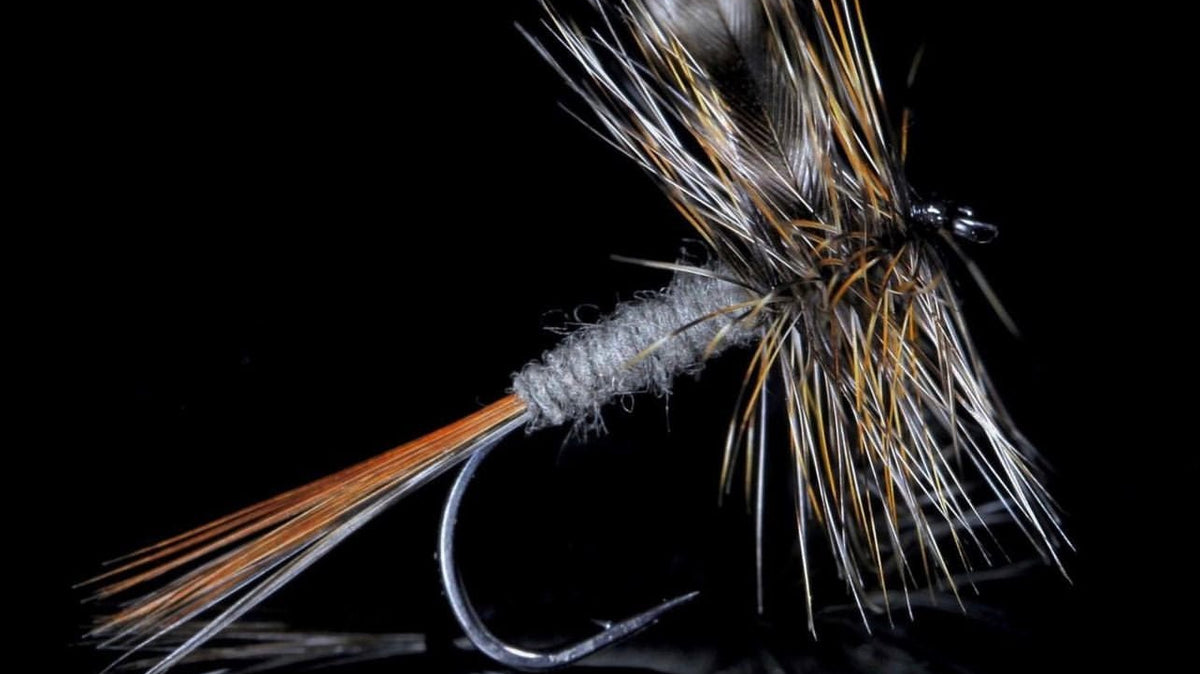
Fly Tying Essentials: 5 Fly Tying Materials That Should Be On Every Bench
Five materials form the backbone of a well-stocked fly tying bench. From pheasant tail and hackle to peacock herl, elk hair, and pine squirrel, these proven staples can be used to tie hundreds of effective patterns for a wide range of trout water.
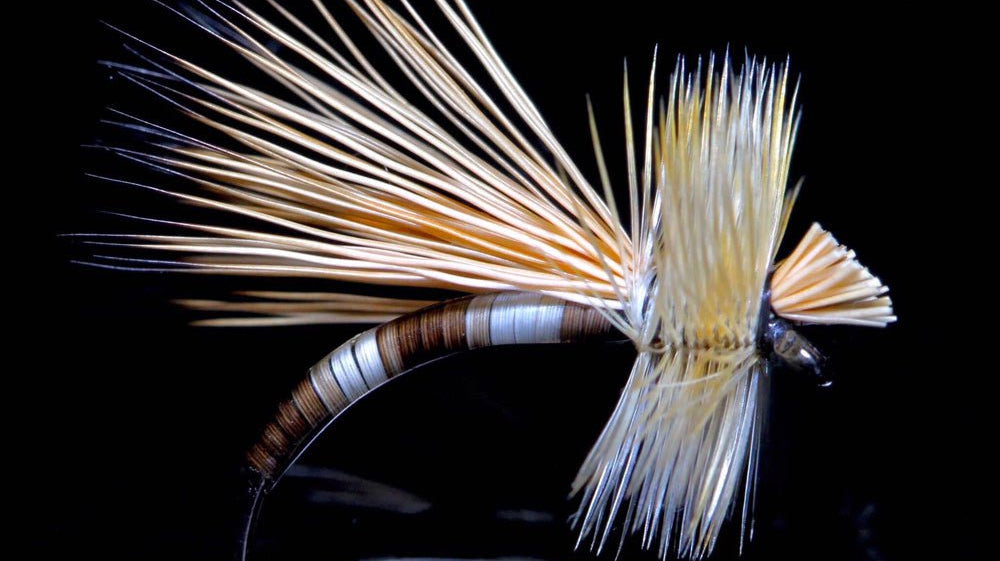
Natural vs. Synthetic Fly Tying Materials
Natural vs. synthetic fly tying materials isn’t a debate about tradition — it’s a question of function.
Feathers evolved to trap air and move with current. Polymers are engineered for durability, flash, and repeatability. One offers organic micro-motion. The other delivers structural control and longevity.
Movement, buoyancy, sink rate, realism, durability — every material choice changes how a fly behaves in the water.
In this guide, we break down what actually matters at the vise so you can choose materials with intention — not nostalgia.
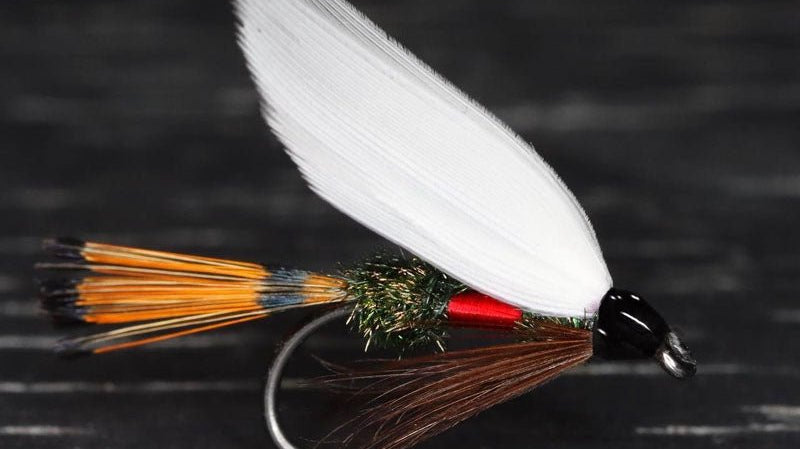
Fly Tying Materials: A Beginners Guide
Fly tying materials are not decoration, they are function made visible. Every feather, fiber, and filament exists to control how a fly moves, floats, sinks, and breathes in water. Long before a fish decides to eat, it reads silhouette, motion, and vulnerability, all dictated by material choice. From hooks forged as structural foundations to feathers that pulse with life and synthetics engineered for precision, fly tying materials form the language of imitation. Master the materials, and patterns become flexible tools rather than rigid recipes. At the vise, understanding always outperforms imitation.
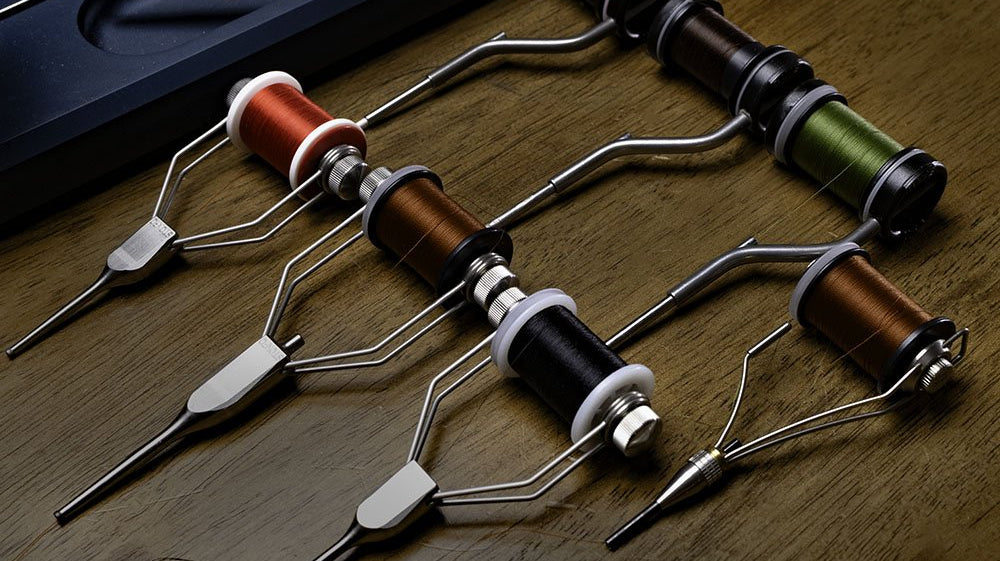
What’s the Best Fly Tying Bobbin? How to Choose the Right One
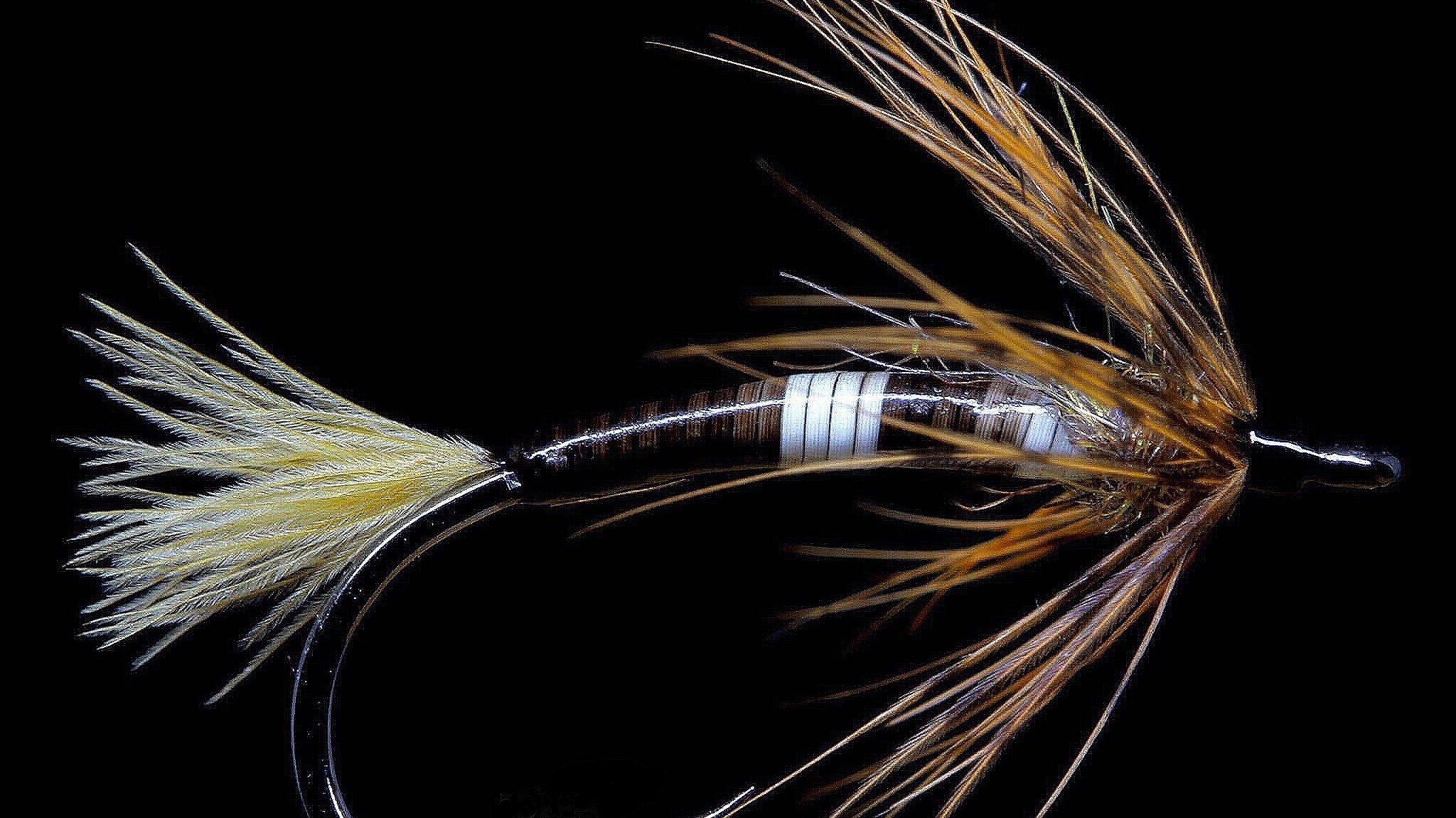
Tying Flies with Soft Hackles: Tradition, Simplicity, and Effectiveness
Soft hackle flies are simple, deadly, and timeless. Learn how to tie and fish soft hackles, when they excel, and why they remain one of the most effective wet flies for trout.