
fly tying
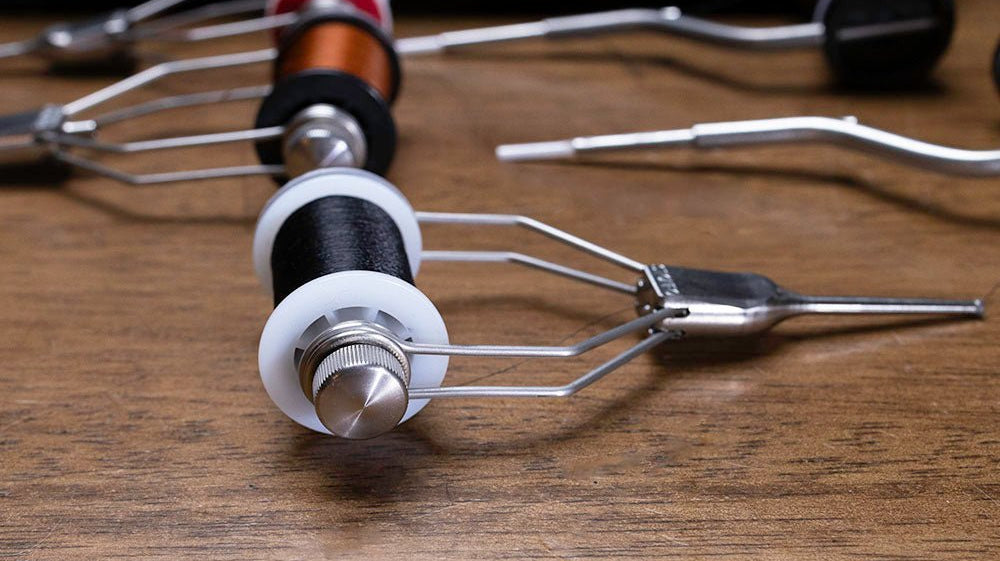
Essential Fly Tying Tools: What You Actually Need at the Bench
Build a better fly tying bench with the tools that actually matter. Learn what vises, scissors, bobbins, bodkins, stackers and other tools do and when to upgrade.
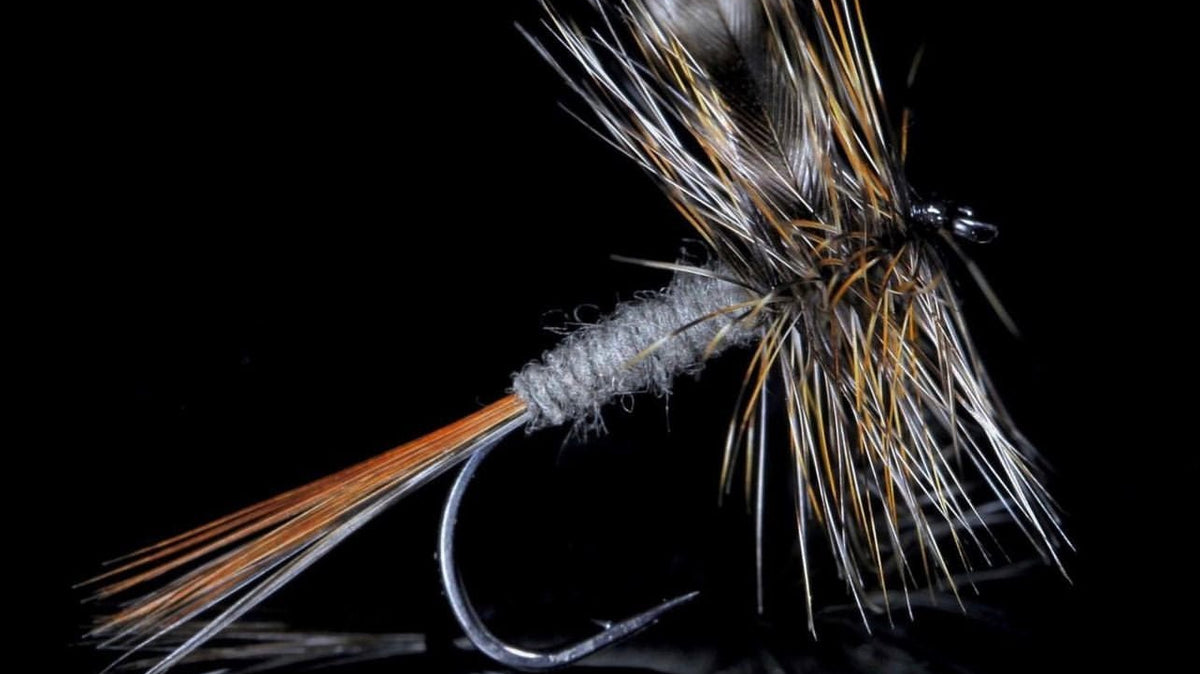
5 Versatile Fly Tying Materials Every Fly Tyer Should Know
Five natural fly tying materials cover an enormous amount of trout tying. Learn what pheasant tail, hackle, peacock herl, elk hair and pine squirrel actually do.
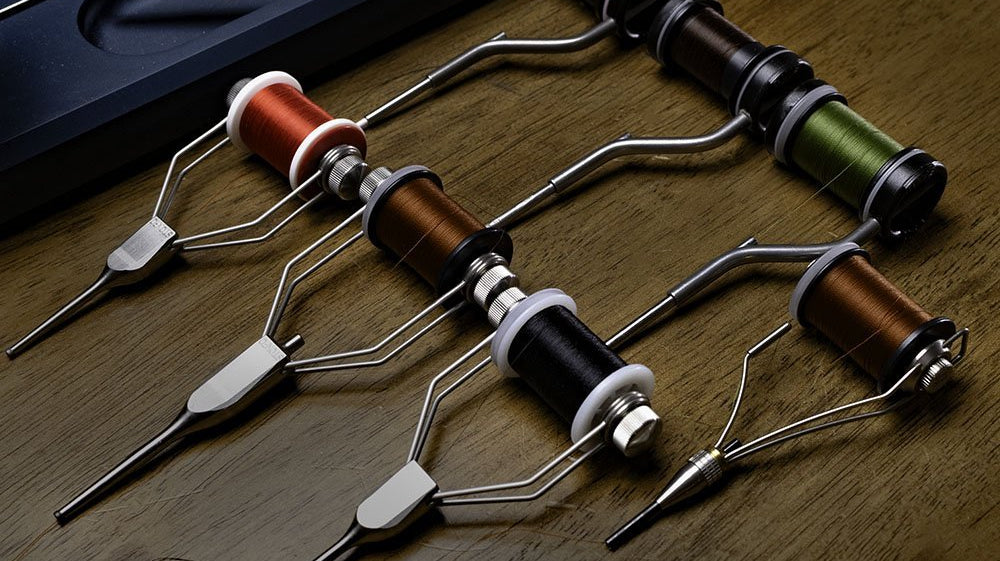
Fly Tying Bobbins: How to Choose the Right One
A fly tying bobbin controls spool resistance, thread path and hanging tension. Learn how ceramic tubes, drag systems, weight and size affect thread control.

Soft Hackle Flies: Tying, Materials & How to Fish Them
Soft hackle flies are simple, deadly, and timeless. Learn how to tie and fish soft hackles, when they excel, and why they remain one of the most effective wet flies for trout.
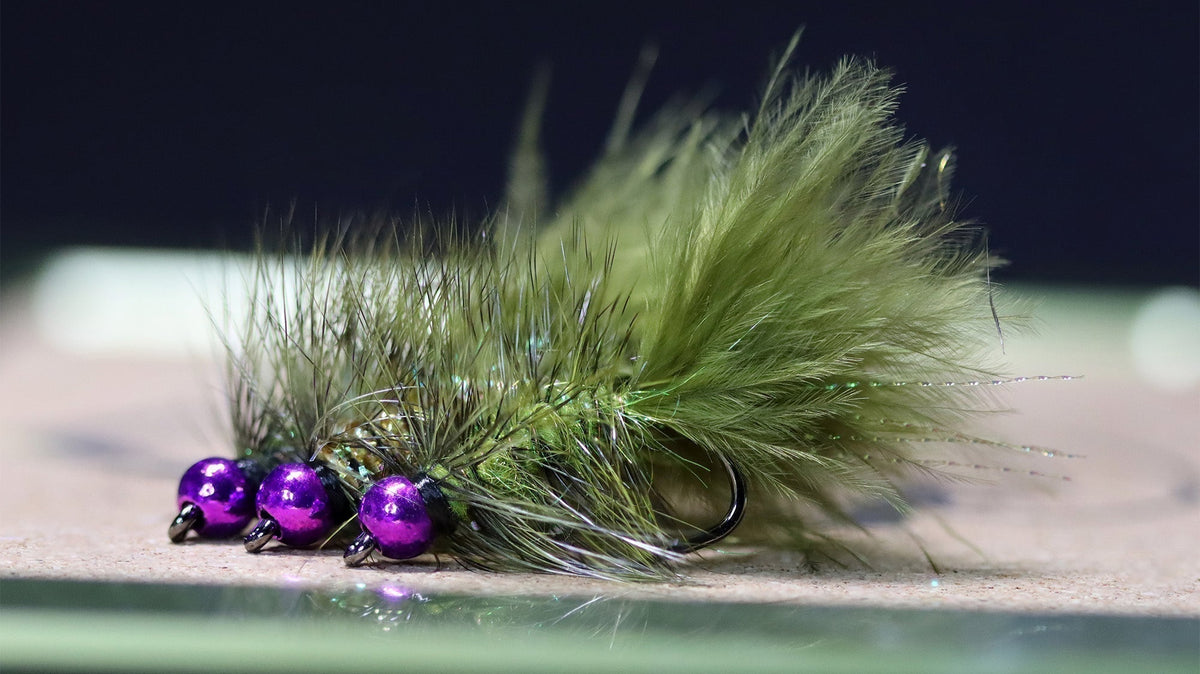
Fly Tying Bead Size to Hook Size: Chart & Selection Guide
Our bead to hook size guide helps you match beads to hooks for optimal balance, realistic presentation, and faster sinking nymphs.
Pine Squirrel for Fly Tying: Zonker Strips, Uses & Patterns
Discover why pine squirrel is a must-have fly tying material. Perfect for small streamers, leeches, and nymphs with lifelike, natural movement.
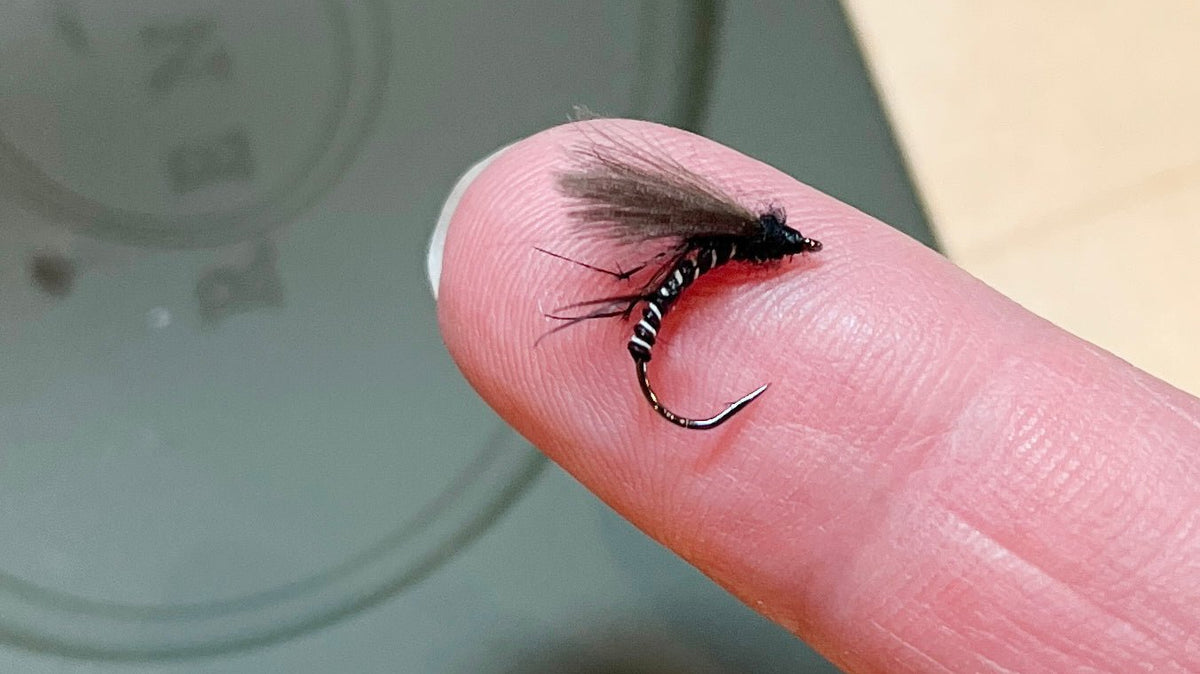
The Mosquito Dry | An Overlooked Summer Fare
Guest blogger Clint Bova shares his quilled mosquito dry fly, including the tying sequence and complete recipe using quills, CDC and Aero Dry Wing.

My Journey into Fly Tying: From Fuzzy Fur Balls to Feathers That Fish

Fly Tying Scissors: Blade Types, Sizes & How to Choose
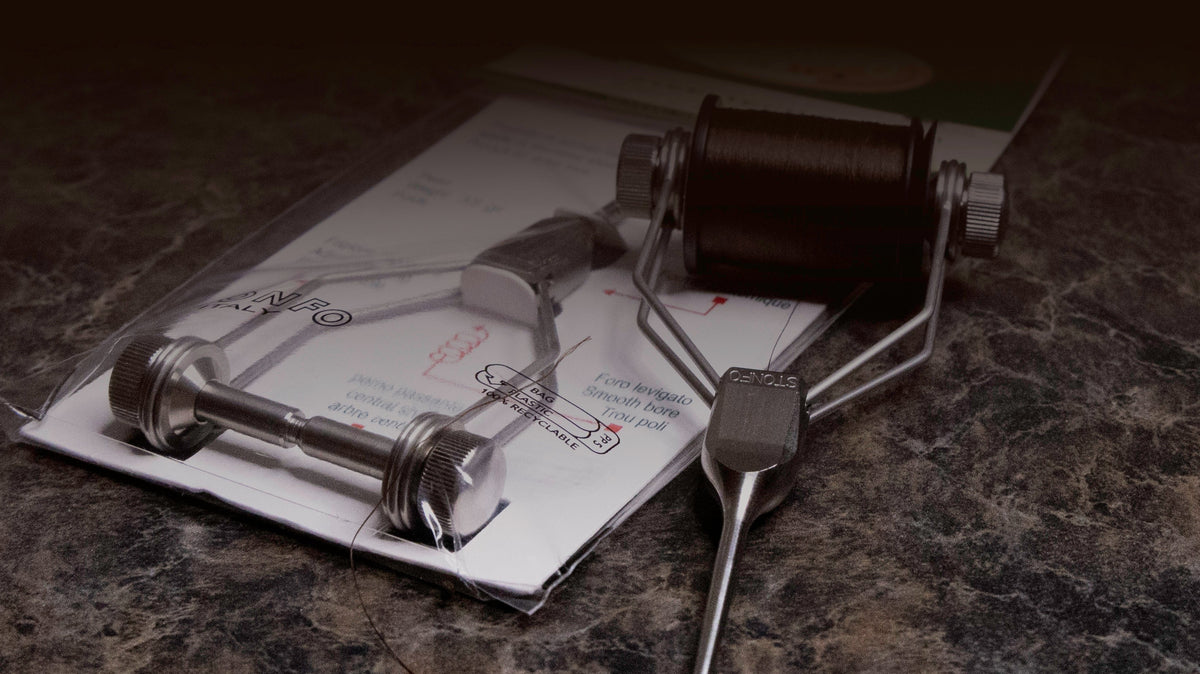
Stonfo Steeltech Bobbin Review: Weight, Tension & Control
We break down the Stonfo Steeltech Bobbin's 35-gram stainless design, tension system, balance and why it excels at split-thread dubbing.
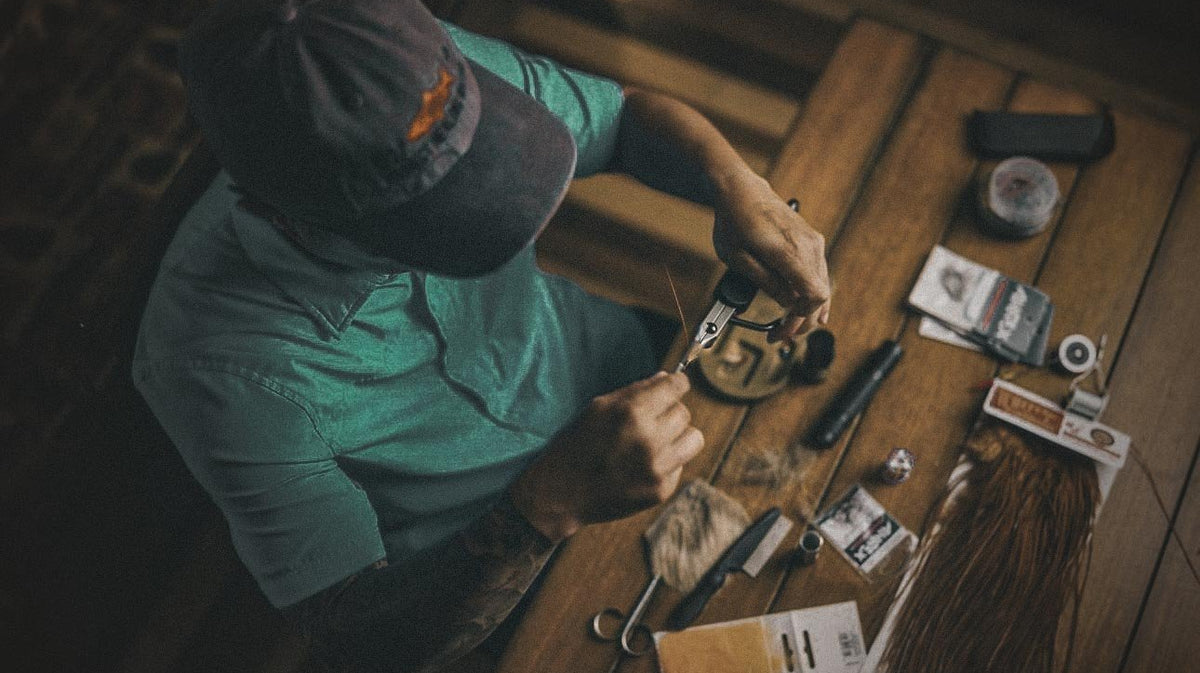
How to Choose a Fly Tying Vise: Jaws, Rotary, Bases & Hook Range
Choose a fly tying vise by the mechanics that matter: hook security, jaw clearance, rotary function, mounting style, ergonomics and serviceability.
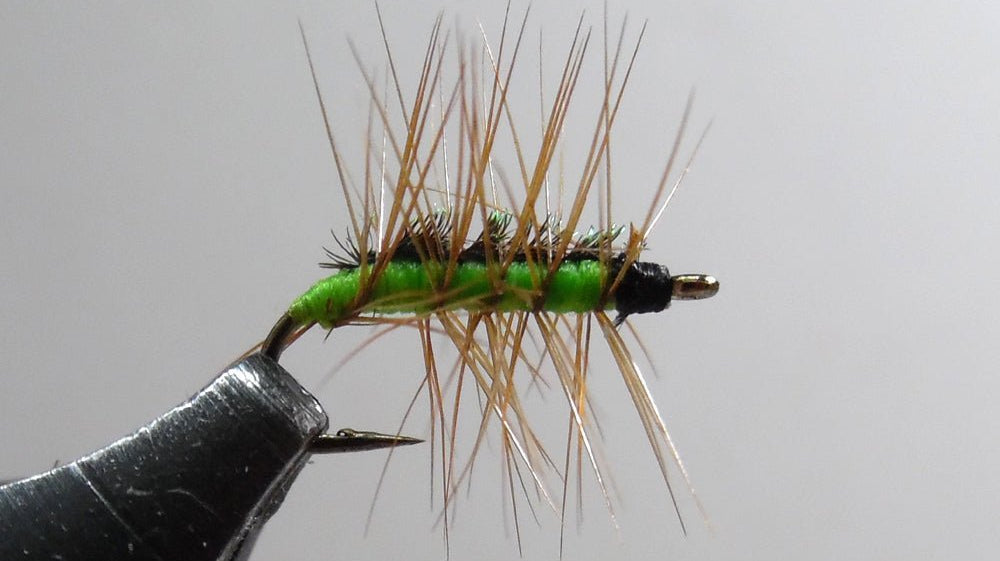
The Crackleback Fly: History, Recipe, Tying & How to Fish It
The Crackleback pattern has its roots in the Ozark region of Missouri, where it was initially designed by Ed Story, a prominent figure in Midwestern fly fishing circles. Story, a Missouri-based fly tier and founder of Feather-Craft Fly Fishing, was known for his contributions to fly design and his commitment to creating simple but effective patterns. He developed the Crackleback in the 1960s to mimic a wide range of insects, especially in trout streams around the Ozarks.