Pairing the right fly line to a fly rod can make or break how a setup performs. The right line can make a rod come alive, while the wrong one can leave it feeling stiff, sloppy, or unresponsive. It’s one of those details that often gets overlooked, but it has a huge impact on how your casting feels and how your flies land on the water.
Start with the Rod’s Line Rating
Every fly rod has a line weight printed on it—something like 9’ 5-weight. That number gives you a starting point and refers to the weight, in grains, of the first 30 feet of fly line meant to balance that rod. A 5-weight rod, for example, is designed to cast a 5-weight line that weighs around 140 grains. But that’s just a guide. Rods and lines vary a lot between brands, and personal preference plays a big role too.

Understand Rod Action and Line Weight Adjustments
A good place to start is with your rod’s action. Fast-action rods, which are stiffer and recover quickly, often feel better when slightly overlined—say, putting a 6-weight line on a 5-weight rod. That extra weight helps load the rod with less line out, which is great for short or mid-range casts. Medium- or slow-action rods usually perform best with their rated line, as overlining can make them feel heavy and sluggish. If you’re fishing small streams or tight spots, going a bit heavier can help the rod load quicker. For longer casts or windy conditions, staying with or even underlining can tighten loops and maintain line speed.

Match the Line Type to Your Fishing Situation
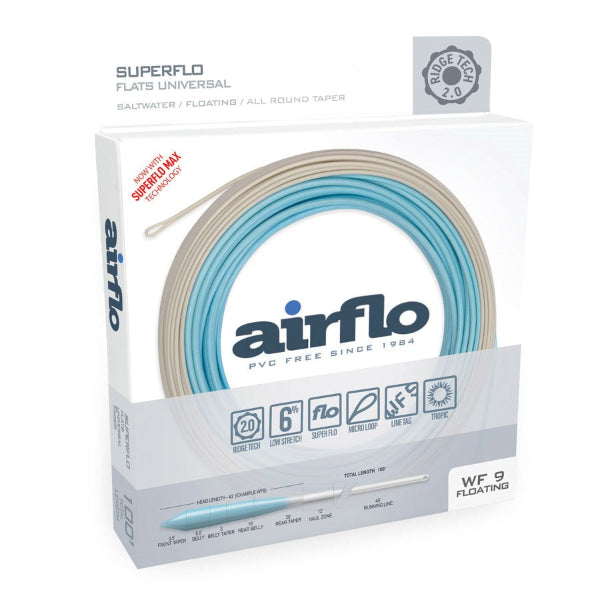
The type and taper of your fly line matter just as much as the weight. Weight-forward lines are the most popular because they’re easy to cast, handle distance well, and turn over flies efficiently. Double-taper lines shine in situations that call for delicate presentations or roll casts, like small streams or dry-fly fishing. Lines with aggressive front tapers, such as shooting heads, are built for throwing big flies or cutting through wind. Then there are specialty lines—sink tips, full sinking, and intermediate, that are designed to get your fly down to different depths.


Consider the Manufacturer’s Actual Line Weight
It’s also worth noting that not all lines labeled as a 5-weight actually weigh the same. Many modern lines are made a half-size heavy to match today’s faster rods better. A “5-weight” line that weighs closer to 150 or 155 grains might feel more like a 5½ or 6-weight. If your rod doesn’t feel quite right with a standard line, check the specs before swapping rods.

Don’t Forget Your Casting Style
Your casting style plays into it too. Anglers who make quick, short casts often prefer heavier or more aggressive tapers, while those with long, smooth strokes usually like true-to-weight lines with longer heads. It’s all about what feels natural and helps you cast effortlessly.

Finding the Right Line for You
There isn’t a single “perfect” line for everyone or every situation. The best choice depends on what you’re fishing for, where you’re fishing, and how you cast. Most anglers end up with a few different lines for different jobs, even if they’re all for the same rod.
If you’re a beginner or casual angler, start with a high-quality, weight-forward floating line that matches your rod’s rating. It’s the most versatile setup and will cover 90% of trout fishing situations—nymphing, dry flies, and small streamers.
If you mostly fish small streams where casts are short and tight, try a line that’s slightly heavier or has an aggressive front taper. It’ll load the rod quickly and make close-range casting easier.
For big water or windy days, a line with a longer head or a slightly lighter weight can help tighten loops and maintain better line speed. Technical lines like the Scientific Anglers Amplitude Trout or Rio Gold are great for this—they’re designed for longer, more controlled casts.

The Bottom Line
If that new rod you just bought doesn’t feel quite right, don’t rush to blame the rod. Try a few different lines first. The right line can completely change how a rod performs—sometimes turning something that felt stiff or clunky into a smooth, effortless caster. Manufacturers can only predict so much; your casting stroke, preferred distances, and fishing style all factor in. A short session testing a few lines can save you a lot of frustration and might even make you fall in love with a rod you were ready to give up on.
In the end, your rod and line work as a team. The perfect balance depends on your casting stroke, fishing conditions, and the flies you’re throwing. If you have the chance, test-cast a few different lines before deciding. Sometimes just moving up or down one line weight completely changes how a rod feels in your hand.

By Son Tao - son@feather-craft.com